Truth and Tolerance
The
relationship
between
truth
and
tolerance
is a
problem
that
arose
with the
affirmation
of
democracy,
of which
freedom
is the
prerequisite.
Since
religious
freedom
was the
first—and
the
mother
of every
freedom—it
inevitably
raises a
theological-religious
problem.
We ask
ourselves:
assuming
that the
Catholic
faith is
the true
one,
what
will
happen
to the
Christians
of the
Eastern
Churches?
Will God
perhaps
deny
salvation
and
condemn
to
eternal
punishment
a
believer
of the
Greek or
Russian
Church
who, in
practice,
belongs
to it by
birth?
And what
if the
person
is a
Protestant,
a
Buddhist,
a Hindu,
a pagan,
or
perhaps
an
atheist?
In the
past it
was
believed
that
those
who did
not
profess
the true
faith
could
not be
saved,
and
therefore
one also
felt the
duty to
impose
it by
every
means,
even
violent
ones.
The
conquistadors,
in
destroying
and
plundering
pre-Columbian
civilizations,
morally
justified
themselves
by
thinking
that,
despite
all the
massacres
and
destruction,
they
were
nevertheless
bringing
the true
faith to
those
animists
and
therefore,
in the
end,
were
doing
them
good,
opening
for them
the path
to
eternal
salvation.
Even
slavery
in the
southern
United
States
was
justified
in
religious
terms:
it is
true
that
Black
people
became
slaves,
mercilessly
exploited
and
victims
of every
abuse,
but this
also
opened
for them
the road
to
salvation—better
to
suffer
on this
earth
for the
brief
span of
life
than
eternal
damnation.
Today
such
ideas
are
absolutely
banned
from
Christian
thought,
in the
conviction
that
only
free
choice
can lead
to
salvation.
From a
theological
point of
view,
the
conviction
has
taken
hold and
is
affirmed
that one
sins
only if
there is
awareness
of doing
evil. If
a
Protestant,
Buddhist,
animist,
or
atheist
acts
with
commitment
to do
everything
he or
she
considers
right
and
holy,
then no
sin has
been
committed;
the
person
is in
good
faith
and
therefore
will be
saved.
In the
past I
have
confronted
intolerant
and
fanatical
Muslims
and, in
the end,
I had to
admit
that
they
were
consistent,
even
though
they
were
wrong,
in my
view.
I would
note
that
this
line of
reasoning
in
practice
empties
religions
of their
content,
and that
tolerance
itself
ultimately
presupposes
a
relativistic
faith.
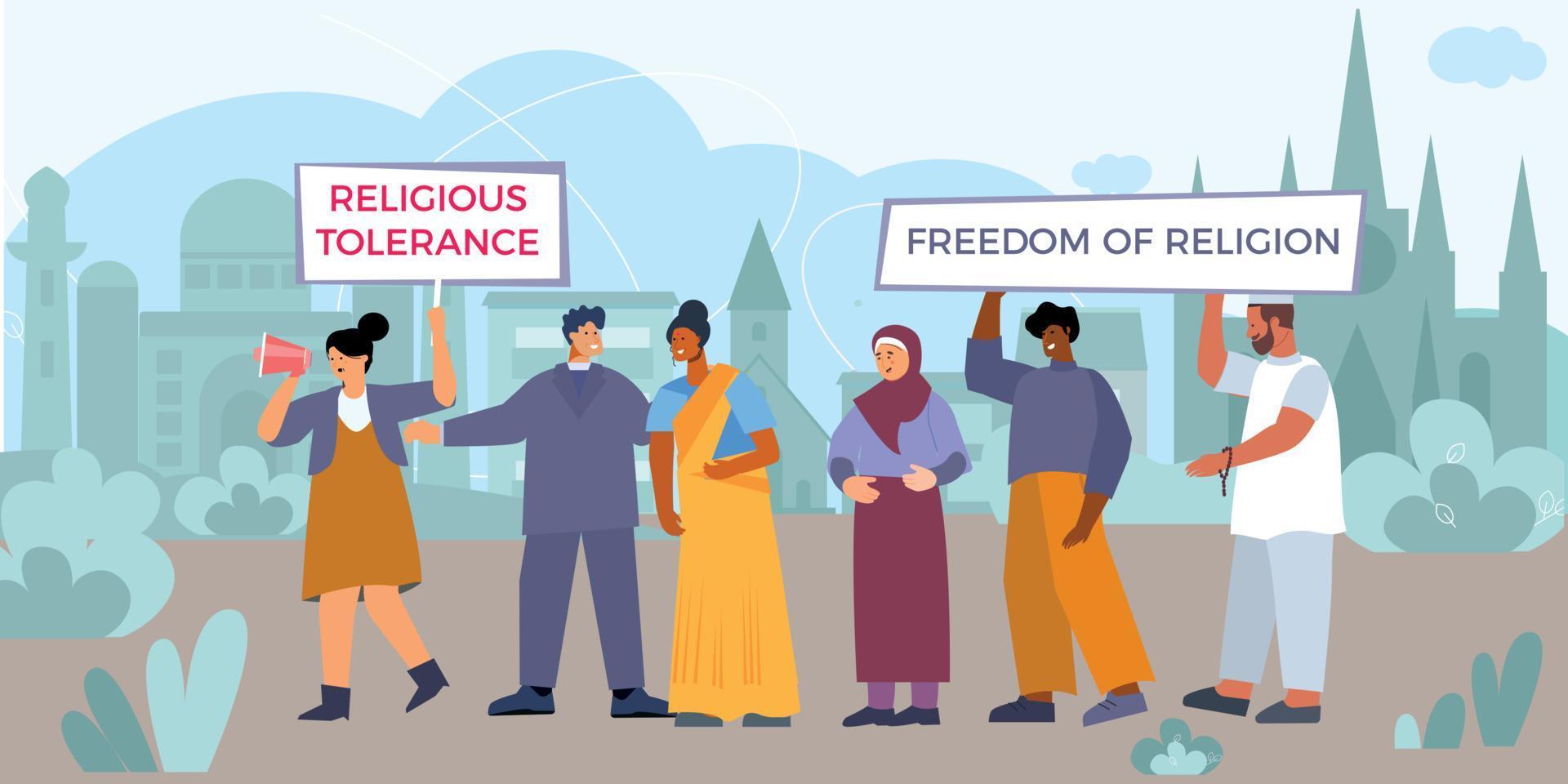
Religious tolerance arose historically from the disaster of the religious wars that devastated Europe, but theoretically it is based on the idea that no one possesses ultimate and definitive truth (this is the same basis of democracy). I may be convinced that the true faith is the Catholic one, but I do not claim that this is the absolute truth; therefore, those who believe in other religions or in none at all might well be right and thus must be respected. If I were absolutely certain that only the Catholic faith is the true one, then it would be my duty to impose it on everyone by every means, in their own interest, not mine: truth cannot have the same rights as falsehood (as the Syllabus still stated in 1870).
Muslims, communists, and positivists, on the other hand, think they possess the truth and therefore, consistently, are intolerant. If, as Marx maintains, religion is the deception of the bourgeoisie to exploit the proletariat, for what reason should it be tolerated? It must be destroyed in order to free the proletariat and create a just society.
In this way the world appears reversed compared to the past: from the wars of religion that so afflicted the Christian world—from the Christological wars of the early centuries to the medieval heresies and finally the terrifying religious wars of the seventeenth century—we have moved to mutual respect and cooperation, which in practice also places peaceful apostolic activity in parentheses, while one part (only one part) of atheism has begun an all-out struggle against religions. If positivism limited itself to a cultural and economic struggle (the dispossession of religious institutions), communism moved on to bloody and pervasive persecutions, so that communist regimes have created more martyrs than the entire history of humanity.